


Chemistry of Containment: Why Aluminum Foil Containers Corrode with Acidic Foods and How to Prevent It
Managing Corrosion in Aluminum Containers with Acidic Foods
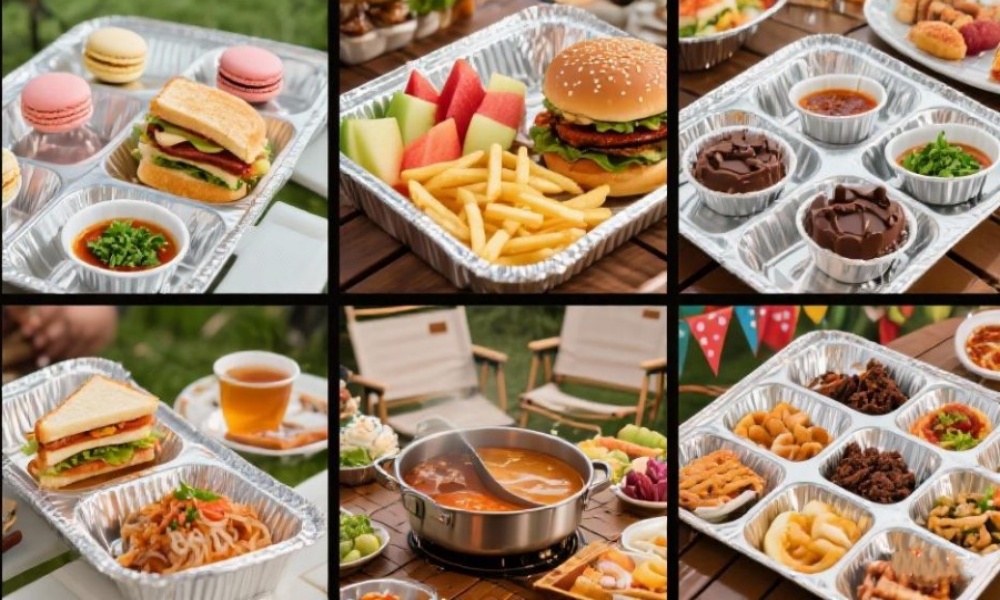
B2B clients using aluminum foil containers (AFCs) for acidic foods, such as tomato-based sauces, citrus desserts, or vinegar-heavy salads, occasionally report a metallic taste or visible pitting/corrosion on the foil surface. This is a common chemical reaction that can be easily managed through proper alloy selection and material preparation, ensuring food safety and quality.
1. The Chemical Mechanism of Corrosion
Aluminum is generally stable, but it reacts strongly with certain chemical compounds.
The Reaction: Aluminum naturally forms a protective, passive layer of aluminum oxide on its surface. Highly acidic or highly salty solutions (which are high in ions) can break down this protective oxide layer, exposing the underlying reactive metal.
The Result: The exposed aluminum then reacts with the food, leading to the release of aluminum ions. This results in the characteristic pitting (small pinholes), surface dulling, and the metallic or "off" taste in the food.
Acidic Threshold: The reaction accelerates significantly at pH levels below 4.5 (e.g., tomatoes, lemon juice, vinegar, sauerkraut).
2. Solutions: Protective Coatings and Material Choice
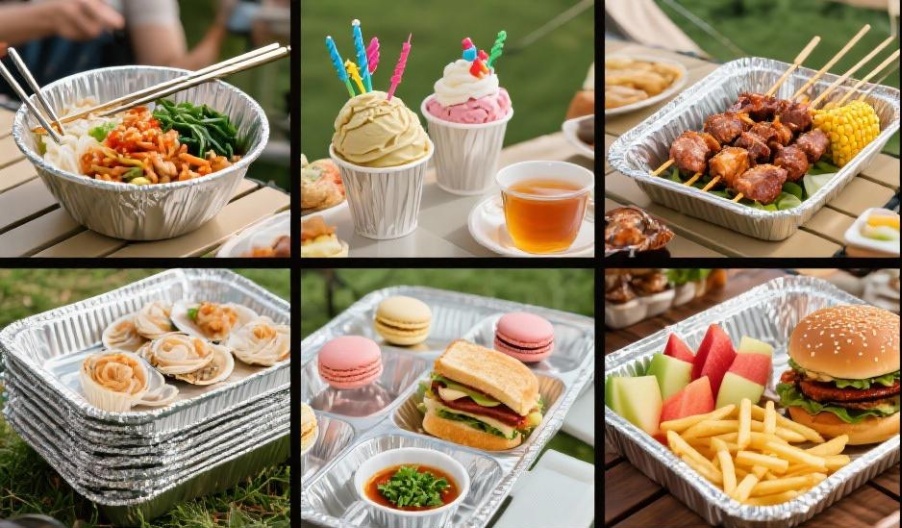
We offer two primary strategies to mitigate corrosion risk for acidic foods.
Internal Polymer Coating: The most effective solution is to utilize AFCs that have a thin, food-grade internal polymer lining (often epoxy resin or a similar non-stick coating). This lining acts as a barrier, physically separating the aluminum from the acidic food.
Client Advice: This option adds cost but is mandatory for clients serving high-acid foods (e.g., catering pasta sauces, baking lemon bars) to prevent customer complaints.
Alloy Selection: For uncoated AFCs, we use specialized aluminum alloys (such as the 8000 series) that are less susceptible to acidic breakdown than standard alloys.

3. Operational Best Practices
Even with coated containers, B2B clients should follow usage guidelines to prolong container life.
Avoid Prolonged Storage: AFCs, particularly uncoated ones, should not be used for long-term storage of high-acid foods. If the meal is not served immediately, the food should be transferred to a glass or ceramic container.
Temperature Impact: The corrosion reaction is accelerated by high heat. Acidic foods should not be kept hot in an uncoated AFC for extended periods.
4. Safety Note
While corrosion affects taste and appearance, the small amount of aluminum ingested from a single corroded container is generally considered non-toxic and poses no immediate health threat according to the World Health Organization. However, the resulting quality degradation is unacceptable for commercial food service.
Conclusion
Understanding the chemical interaction between aluminum foil containers and acidic foods is crucial for maintaining food quality and customer satisfaction in commercial food service. By implementing protective coatings, selecting appropriate alloys, and following operational best practices, businesses can effectively prevent corrosion issues while utilizing the practical benefits of aluminum foil containers. At YapuGreen, we provide specialized aluminum container solutions designed to meet the specific needs of food service operations handling acidic food products.